
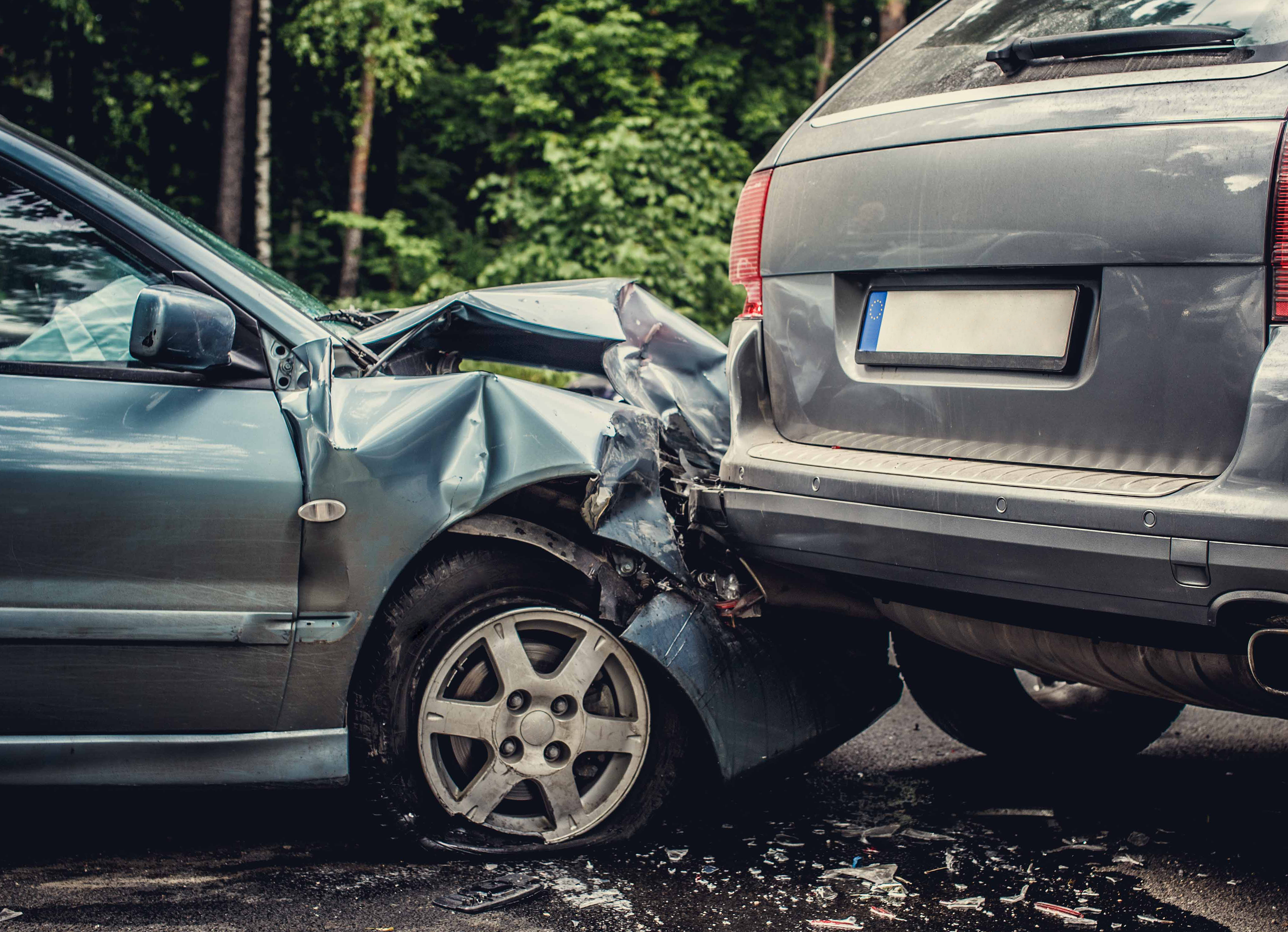
Steps to Take After an Accident with an Uninsured Driver
Being involved in a car accident is never easy, and the situation becomes even more overwhelming when the other driver doesn’t have insurance. Even though most states require drivers to carry liability coverage, many still take the risk of driving uninsured. When this happens, getting reimbursed for medical expenses, lost income, or vehicle damage can feel more complicated—but there are still several ways to pursue compensation.
What to Do Immediately After the Accident
The actions you take right after the collision can make a significant difference in how smoothly your claim process goes. Begin by checking yourself and anyone involved for injuries, then contact law enforcement so an official report can be filed. This report will become a key piece of documentation later on.
While you’re still at the scene, collect as much information as you can. Write down the other driver’s contact details, vehicle description, and license plate number. Take photos of the vehicles, the road conditions, and any visible damage. Once you’ve gathered the necessary details, notify your insurance company right away to let them know an accident has occurred.
Because most states use an “at-fault” system—meaning the person responsible for causing the crash is financially liable—the outcome of your claim will depend on who is ultimately found to be at fault.
How Your Insurance May Help
If the uninsured driver is found to be responsible, your own policy may still offer protection. Many drivers carry uninsured or underinsured motorist coverage, which can help pay for medical bills, missed work, and sometimes damage to your vehicle if the other driver doesn’t have sufficient insurance.
You may also have other forms of coverage that can help. Collision insurance can assist with repairs to your vehicle regardless of fault, and personal injury protection (PIP) may help cover medical expenses even if you caused the accident. However, without these optional types of coverage, your ability to recover money through insurance can be limited.
Considering Legal Options
There are situations where taking legal action against the uninsured driver may be an option. Filing a lawsuit could allow you to seek reimbursement for losses such as medical expenses, car repairs, or pain and suffering. However, this route is generally only useful if the driver has the financial means or assets to pay a settlement or court award.
Before pursuing a lawsuit, it’s wise to consult with an experienced car accident attorney. They can help you evaluate whether legal action is realistic and guide you through the process of documenting your injuries, financial losses, and any other details that strengthen your case.
What to Do in a Hit-and-Run Accident
If the other driver leaves the scene, the process is similar to dealing with an uninsured driver. Because the responsible driver cannot be identified, your uninsured motorist coverage generally applies. It’s important to file a police report promptly and notify your insurance company as soon as possible.
Getting Support After the Accident
Managing the aftermath of an accident involving an uninsured driver can be discouraging, but you don’t have to go through it on your own. An attorney can help you understand your rights, communicate with your insurance company, and advocate on your behalf throughout the claims process.
Quick action—paired with a clear understanding of your coverage—can make a big difference in reducing financial stress and helping you recover the compensation you’re entitled to after an accident.