
Essential Winter Driving Dangers Every Driver and Pedestrian Should Know
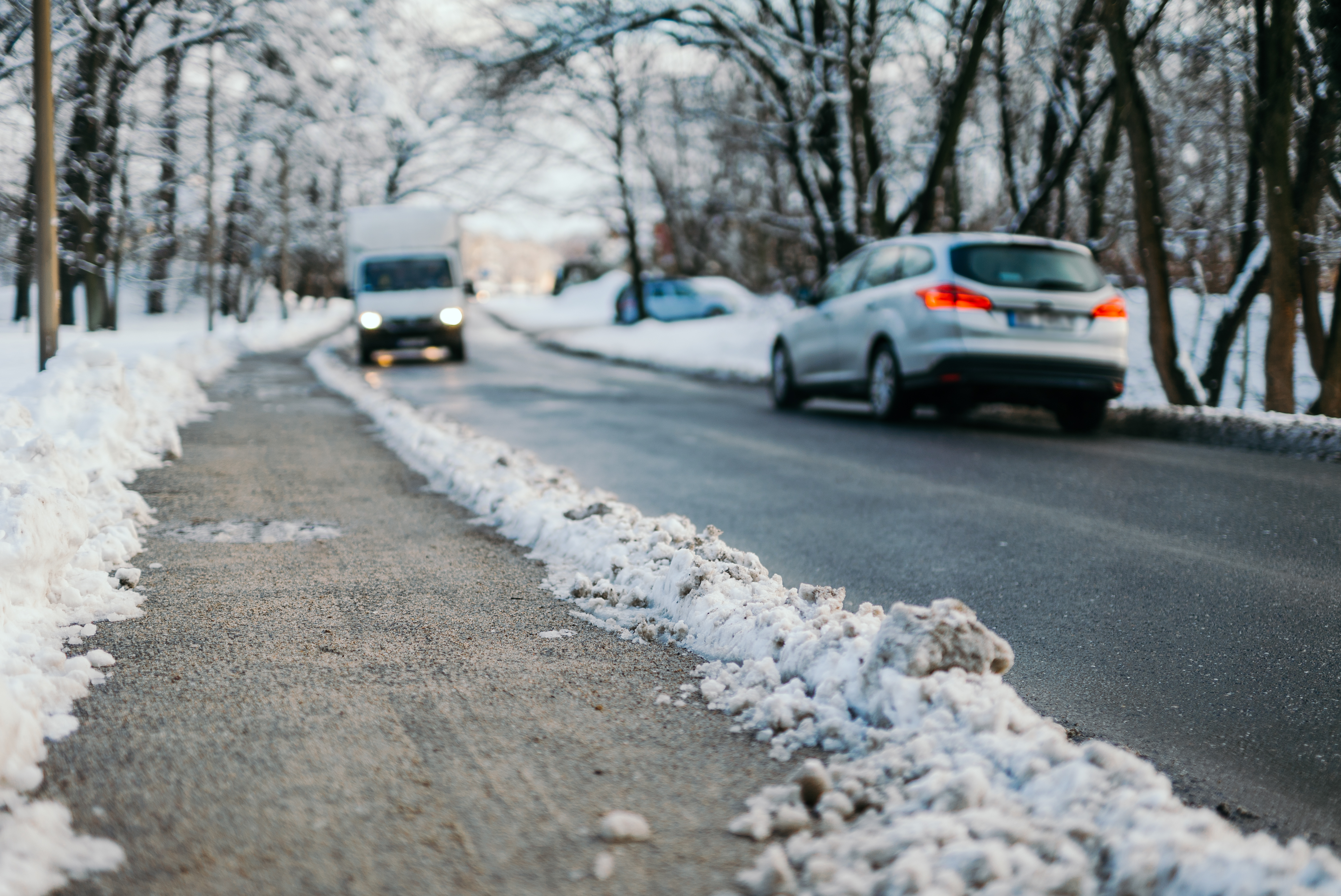
Winter weather brings a variety of hazards that can make roads far more dangerous for everyone. Snow, ice, slush, and shorter days all contribute to a higher risk of accidents. Whether you're behind the wheel or walking near traffic, understanding how winter conditions affect safety—and what you can do to protect yourself—can make a major difference when conditions worsen.
How Winter Weather Increases Roadway Risks
Cold-weather conditions dramatically change how vehicles handle on the road. The Federal Highway Administration reports that nearly one-quarter of all weather-related crashes happen on surfaces covered in snow, slush, or ice. Another significant portion occurs during active winter precipitation, when roadways are slick and visibility is poor.
Reduced traction makes it harder for cars to stop quickly or steer safely, while slowed emergency response times in snowy areas can increase the severity of injuries. Even a small misjudgment during winter driving can lead to significant consequences.
The Hidden Danger of Black Ice
One of the most unpredictable winter threats is black ice. This thin, transparent layer of ice forms when moisture freezes on pavement, often overnight or in the early hours of the morning. Because it blends in with the road, drivers usually can’t detect it until the vehicle has already lost traction.
Icy pavement leads to more than 150,000 crashes and over 550 fatalities in the U.S. each year. Even careful, experienced drivers can lose control after hitting a black ice patch at routine speeds, making this hazard especially dangerous.
Early Darkness Raises Accident Risks for Pedestrians
Winter’s early sunsets mean that many people travel home from work or school in complete darkness. Limited visibility makes it harder for drivers to spot pedestrians, particularly when sidewalks are snowy or people are wearing dark winter clothing. National data shows that close to 80% of pedestrian fatalities occur at night, and winter conditions only worsen the problem.
Common Mistakes Drivers Make in Winter Conditions
Many winter accidents could be avoided, but common errors increase the likelihood of collisions. One frequently overlooked issue is failing to remove all snow and ice from a vehicle before driving. Snow left on the roof can slide down unexpectedly and obstruct the windshield or fly off and hit nearby cars. In fact, some states have laws requiring drivers to clear their vehicles completely before hitting the road.
Other risky behaviors include:
- Driving too fast for icy or snowy pavement
- Following other vehicles too closely
- Skipping headlights in poor visibility or snowfall
- Making abrupt stops or sharp turns on slippery surfaces
These habits increase the odds of skidding, losing control, or causing multi-car pileups on winter roads.
Added Hazards on Rural Roads and Around Commercial Trucks
Rural drivers face heightened dangers in winter. These areas often have slower snow removal and fewer road treatments. Bridges and overpasses are especially risky because they freeze faster than regular pavement. With limited lighting and fewer traffic signals, spotting hazards like black ice, stalled vehicles, or pedestrians becomes much more difficult.
For commercial truck drivers, winter conditions add an entirely different level of risk. Large trucks require more distance to slow down, and even cautious braking may not be enough on icy routes. Jackknife incidents—where the trailer swings sideways—can unfold suddenly and block entire roadways. Many winter-related fatalities involve these large vehicles.
The devastating 2021 Fort Worth crash, where icy roads led to a 130-vehicle pileup resulting in six deaths and dozens of injuries, illustrates just how quickly winter conditions can escalate into widespread danger.
Why Distraction and Poor Visibility Are a Deadly Mix
Winter weather magnifies the consequences of even brief distractions. Drivers may be adjusting climate controls, clearing their windows, or navigating snowy streets. Pedestrians are often bundled up, carrying heavy bags, or simply trying to stay balanced on slippery sidewalks.
Children walking to school in dark early mornings are especially hard to spot, particularly when wearing non-reflective winter clothing. Older adults also face increased risks due to balance challenges and slower movement on icy walkways.
All of these factors combine to make winter one of the most hazardous times of year for pedestrians and drivers alike.
How Drivers Can Stay Safe in Winter Weather
With the right preparation, drivers can significantly reduce winter driving risks. Before hitting the road, it’s crucial to clear your entire vehicle—including windows, mirrors, headlights, and the roof. This ensures maximum visibility and prevents snow from obstructing your view while driving.
Additional steps for safer winter travel include:
- Driving at slower speeds to maintain better control
- Leaving more room between vehicles to allow extra braking distance
- Braking gradually to avoid sliding or fishtailing
- Keeping an emergency kit stocked with a scraper, blanket, flashlight, sand or kitty litter, and other essentials
Pedestrian Safety Tips for Winter
Pedestrians can also improve their safety during winter weather. Wearing reflective or brightly colored clothing helps drivers spot you sooner. Using crosswalks and staying out of the street—even when sidewalks are partially blocked—can prevent dangerous encounters with sliding or swerving vehicles.
Staying aware of surroundings and avoiding the use of phones or headphones while crossing the street is especially important when visibility is low.
Why Legal Guidance Is Important After a Winter Accident
Even with careful behavior, winter-weather crashes still occur. These accidents often involve complicated insurance disputes and injury claims, making it essential to seek legal guidance if you’re involved in one.
Whether you were injured as a driver or a pedestrian, a personal injury attorney can help evaluate your case, negotiate with insurance companies, and pursue fair compensation for medical bills, lost wages, and other damages.
If you or someone you love has been hurt in a winter-related accident, don’t delay getting help. Contact our firm today to learn about your rights and understand your legal options moving forward.