
Are Dash Cams Worth It? Weighing the Legal Benefits, Risks, and Real-World Impact After a Crash
Many drivers wonder whether adding a dash cam to their vehicle is worth the investment. These devices can offer valuable documentation after an accident, but they also come with limitations. Understanding what they can and cannot do is essential when deciding if a dash cam aligns with your needs on the road.
Dash cams have become increasingly common as people look for ways to protect themselves during disputes over fault and insurance claims. While they can provide helpful evidence, they aren’t a one-size-fits-all solution. Exploring their benefits, drawbacks, and real-world uses can help you make an informed decision.
Why More Drivers Are Choosing Dash Cams
Concerns about safety and rising accident rates have encouraged many motorists to consider dash cams. As collisions and insurance disputes continue to increase, having access to clear video footage can be useful when accounts of an incident differ. When each driver has a different recollection of events, a neutral recording can simplify the process of determining what really occurred.
Studies support the growing interest in these devices. Research published in the Journal of Safety Research showed an 86% reduction in accident-related costs when dash cams with driver feedback features were used. Although that study focused on a specific type of system, it demonstrates the impact detailed video evidence can have in reducing risk and resolving conflicts. For everyday drivers, this reinforces the idea that clear footage may streamline conversations with insurers following a crash.
How Dash Cams Function During Daily Driving
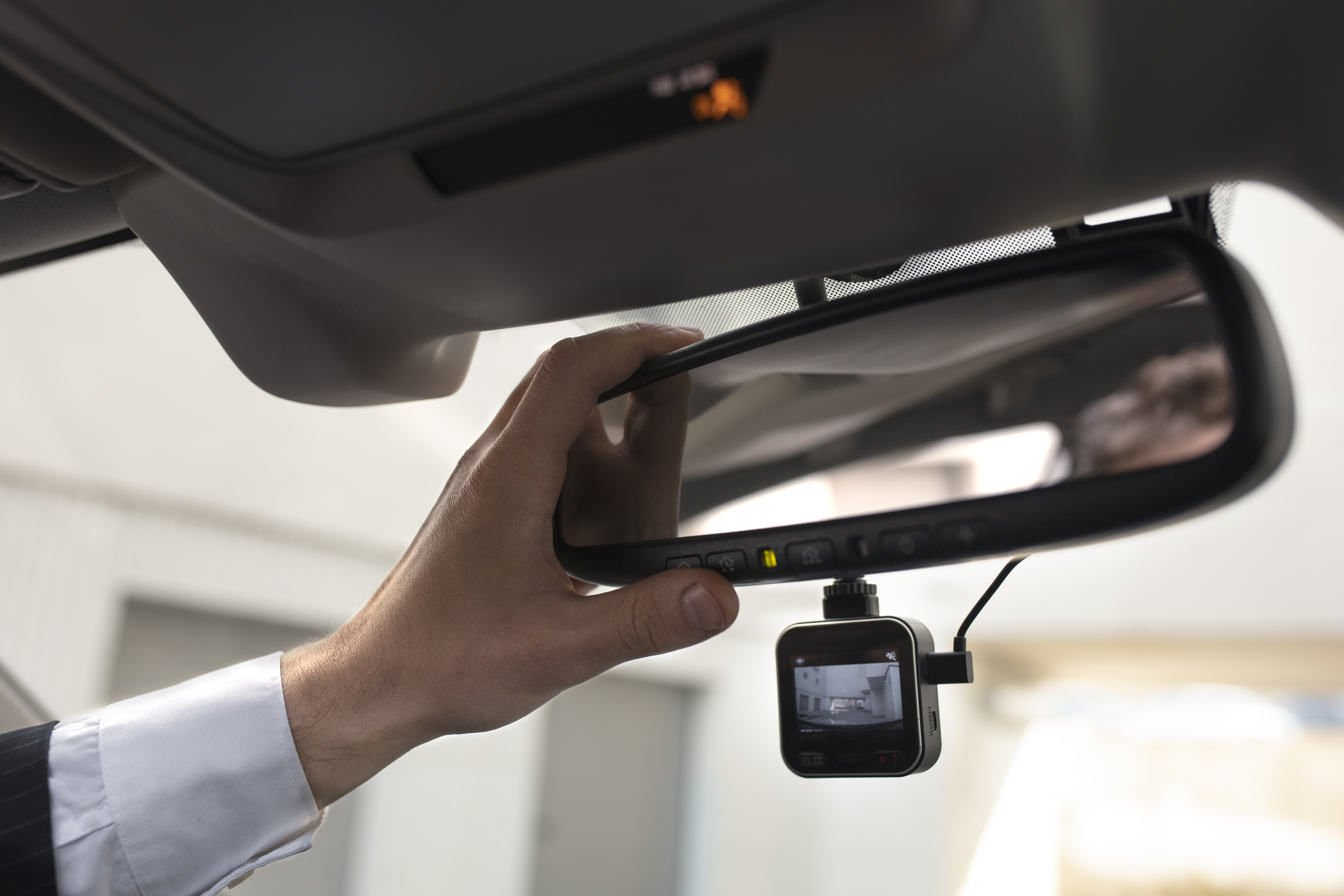
Dash cams are compact cameras typically positioned on the dashboard or windshield. When the ignition is on, they continuously record the road ahead, saving the footage on a memory card. Most utilize loop recording, which automatically overwrites older clips unless they are manually saved.
Some models offer enhanced features. Certain devices activate when they sense a sudden impact or movement, even if the vehicle is parked, which can be especially helpful in parking lot accidents or hit-and-run situations. More advanced options may include rear-facing cameras, GPS logging, night vision capabilities, or cloud storage for added security. Regardless of the model, the core purpose of every dash cam remains the same: capturing an unbiased account of what took place.
How Dash Cam Footage Supports Accident Claims
A major advantage of these cameras is their ability to record critical moments surrounding a collision. When fault is contested and no independent witnesses are present, video footage can offer clarity. It may reveal traffic light status, sudden braking, or the position of vehicles before impact.
These details can be especially helpful if you are trying to demonstrate that another driver drifted into your lane or ignored the rules of the road. Having accurate documentation may reduce misunderstandings during discussions with insurance companies or legal representatives, giving you a clearer foundation for resolving the issue.
Protection From Fraudulent Activity
Although uncommon, staged accidents and false claims do occur. In situations where someone attempts to shift blame unfairly, dash cam footage can play a crucial role. There have been numerous cases where video recordings exposed deliberate collisions or fabricated allegations.
With objective footage available, it becomes far more difficult for misleading stories to hold up. While no device can eliminate every bad-faith scenario, a dash cam can reduce your chances of being held responsible for an incident you did not cause.
Capturing Hit-and-Run Events
Hit-and-run incidents can feel overwhelming and frustrating. When the responsible driver leaves the scene, identifying them can become extremely challenging. Dash cams can sometimes record key information such as the fleeing vehicle’s license plate, make, model, or direction of travel.
Parking mode can enhance this benefit. If your camera activates when it detects motion or impact, it may capture footage even when the vehicle is unattended, giving you another opportunity to gather helpful evidence.
Possible Limitations of Dash Cams
Despite their value, dash cams are not foolproof. They only record what is visible in their lens range. If an accident occurs outside that field of view, or if the footage is blocked, unclear, or overwritten before saving, the video may not be helpful.
It’s also important to consider that dash cams document all behavior — including any unsafe driving on your part. If the recording shows speeding, distraction, or aggressive driving, that footage could be used against you. These devices are neutral; they simply show what happened without interpretation.
Understanding Legal and Privacy Obligations
Installing and using a dash cam comes with certain legal considerations. Some states restrict where devices can be mounted on the windshield to prevent interference with a driver’s line of sight. Ensuring proper placement can help you avoid safety hazards or potential violations.
Privacy laws are also important. In states requiring two-party consent for audio recording, capturing conversations inside the car without permission may pose legal issues. Responsible storage and handling of footage is equally essential, particularly if the recording may be used as evidence later on. Preserving the original video without alteration can be critical for legal or insurance purposes.
Deciding If a Dash Cam Is Right for You
Choosing whether to install a dash cam depends on your driving patterns, personal preferences, and comfort with the technology. Drivers who frequently commute, spend long hours on the road, or have experienced disputed accidents may find that the protections offered outweigh the potential drawbacks.
Others may have reservations about privacy, maintenance, or the possibility that the footage could work against them. Ultimately, making a well-informed decision is essential. Understanding how insurers or legal professionals may interpret dash cam footage can help you prepare for any situation.
If you were involved in a motor vehicle accident and are unsure how dash cam footage might influence your personal injury claim, seeking legal guidance can help. Video evidence can be incredibly valuable, but its interpretation matters just as much as the footage itself. Our team is available to assist you with these questions and offer support whenever you need it.